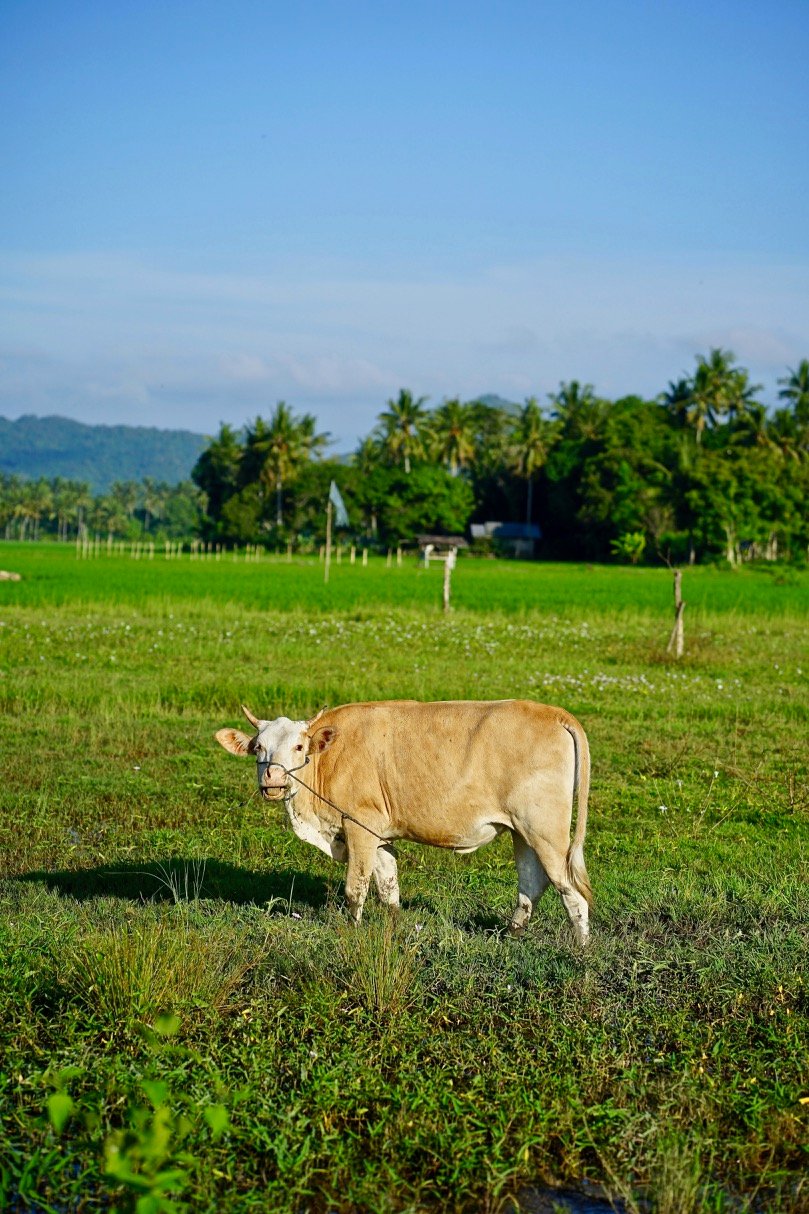
Livestock farming in the Dominican Republic
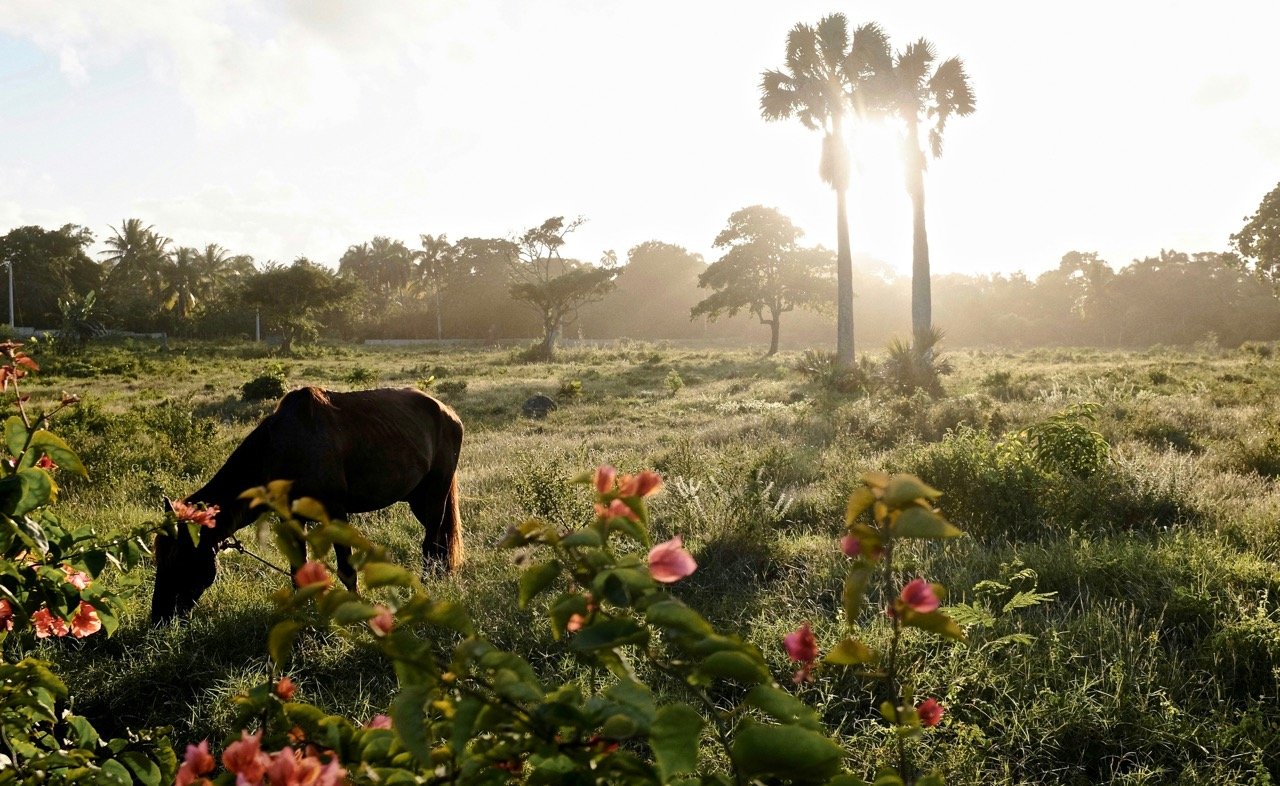
The province of Espaillat, located in the fertile Cibao valley, is one of the most important centers of livestock production in the Dominican Republic
Cattle meat and milk production in Espaillat Province is less developed than poultry farming.
However, there are cattle ranches here that contribute to the regional livestock farming of the Dominican Republic.
Meat and dairy production in the province is primarily oriented toward the domestic market and contributes to national statistics, but is not its primary driver.
The Dominican Republic government actively supports livestock production, increasing its productivity and biosecurity.
Two key financial instruments are used for this purpose.
The Special Fund for Agricultural Development (FEDA) provides affordable loans for investments in pig farming, poultry farming, and other sectors.
The Agricultural Development Bank provides preferential loans to small and medium-sized producers for the development of agricultural and livestock projects.
POULTRY FARMING AND EGG PRODUCTION IN THE PROVINCE OF ESPAILLAT
This is the most developed and important livestock sector in the province.
The province contributes significantly to national chicken and egg production.
For example, it was previously reported that the province produces over 60% of the eggs consumed in the country.
According to a 2016 USDA report, 22.7% of all livestock production units in the country were engaged in poultry farming.
A significant portion of this is located in the northern Cibao region, which includes Espaillat.
Egg Production:
In 2023, the National Institute for Price Stabilization (INESPRE) announced the purchase of over 5 million eggs from producers in the province.
This underscores the scale of local production.
To understand Espaillat's place in the industry:
• Daily national supply: exceeds 750,000 fresh chickens.
• Annual egg production: Reached a record high of 3.95 million eggs in 2025.
• Production forecast for 2028: National poultry production is expected to reach 405,000 metric tons.
It is important to consider the overall poultry production figures in the Dominican Republic.
Poultry Production:
The largest chicken producers in the Dominican Republic are companies with production facilities in the province of Espaillat:
Pollo Cibao, Avícola del Nordeste, and Corporación Avícola del Caribe (CAC).
A favorable climate, developed infrastructure, and access to modern technology contribute to the successful development of poultry production in the region.
While the country is able to meet domestic demand for poultry products, it also imports some products from the United States, such as:
Nuggets, mechanically separated meat, and turkey.
At the same time, local producers are protected by a system of tariffs and phytosanitary certificates.
PIG FARMING IN THE PROVINCE OF ESPAILLAT
The Dominican Republic's pig industry suffered greatly in 2021 with the discovery of African swine fever.
In response to the epidemic, the government carried out a mass cull of pigs, including backyard pigs, which had a devastating impact on smallholder farmers.
The industry is now recovering.
African Swine Fever (ASF) in 2021
• Massive herd reduction: Since July 2021, ASF has spread throughout the country, affecting most provinces.
To contain the disease, approximately 30% of the entire herd, amounting to more than 210,000 pigs, had to be culled.
• Economic impact: The epidemic has severely impacted thousands of smallholder farmers for whom pig farming was an important source of income.
The decline in local production has led to higher pork prices and increased imports.
Production Dynamics
• Before the ASF outbreak (until 2021): Pork production volume was stable.
In 2020, it amounted to 81,000 metric tons.
Local production accounted for up to 70% of the domestic market.
After the ASF outbreak (since 2021):
Production fell sharply.
◦ In 2021, volume fell to 76,000 metric tons.
◦ In 2022, production fell to 50,000 tons—a 21% drop compared to the previous year.
◦ In 2023, production amounted to 45,000 metric tons, a 10% decrease from 2022.
Recovery (2024):
• In 2024, according to the Ministry of Agriculture, there was a slight recovery:
In the first half of the year, production volume increased by 1% compared to the same period in 2023.