Agriculture in the Dominican Republic
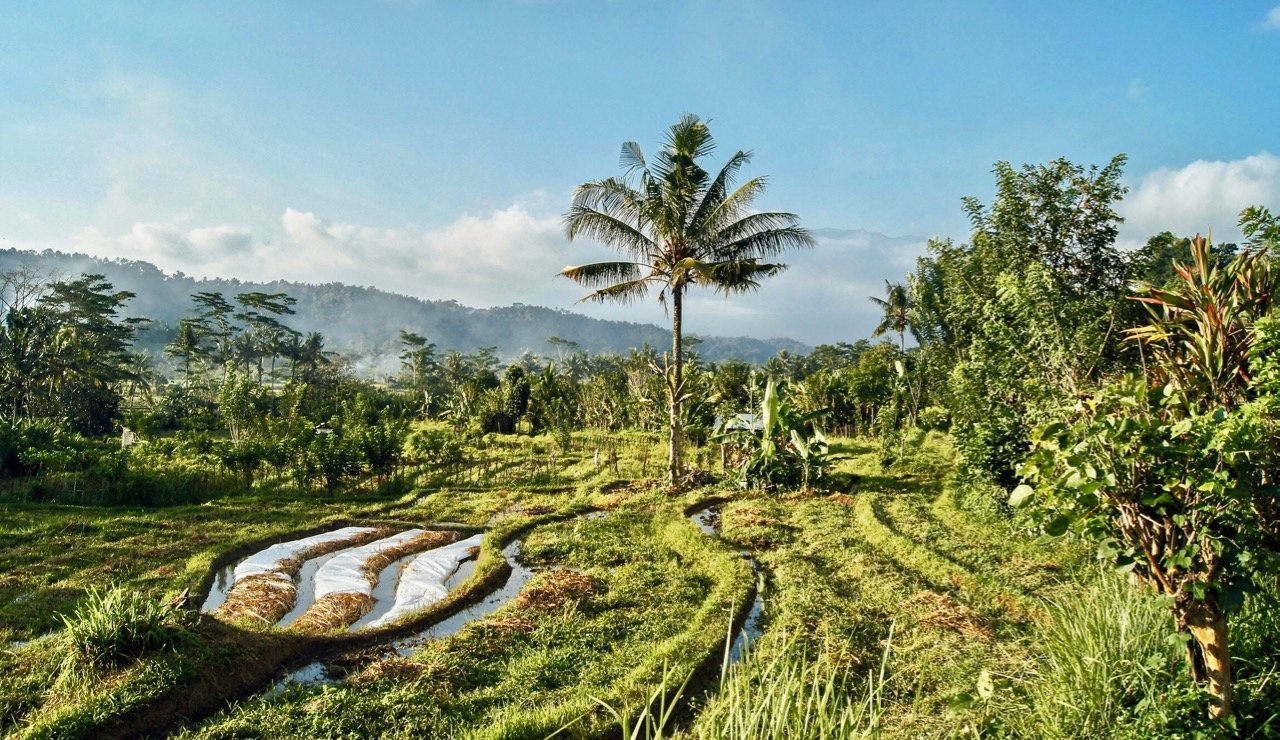
The province of Espaillat is one of the key centers of agriculture in the Dominican Republic.
The province's soil fertility is considered among the highest in the country, making it suitable for growing a variety of crops.
The province is known as the "agricultural capital" of the Dominican Republic, and Moca, its capital, is considered the "agricultural capital."
The diverse topography and soils support the cultivation of a wide range of crops.
The presence of numerous agro-industrial enterprises here, as well as the significant production of cocoa, coffee, bananas, and vegetables, contributes significantly to the national GDP.
Thus, Espaillat plays a significant role in the Dominican Republic's economy, primarily due to its strong agro-industrial sector.
See also: Livestock farming in the Dominican Republic.
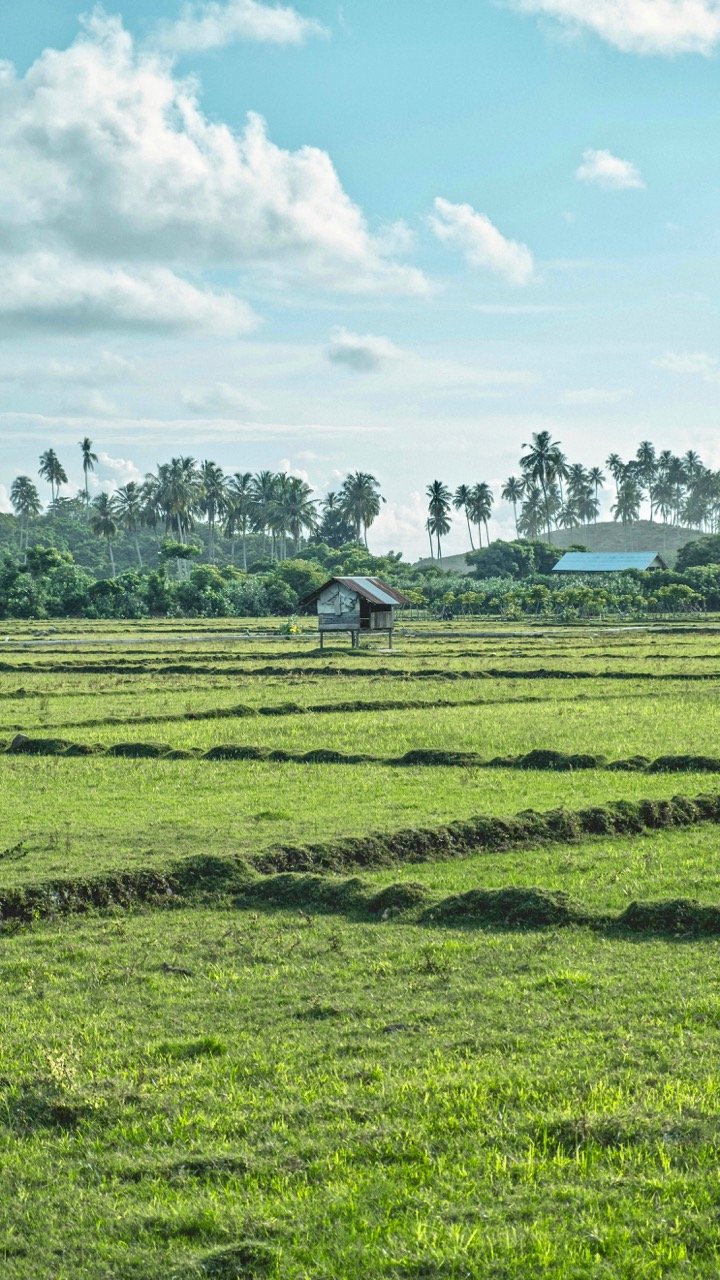
MAIN AGRICULTURAL CROPS GROWN IN THE PROVINCE
• Cocoa: Espaillat is an important producer of cocoa, generating significant income through exports.
• Coffee: Coffee cultivation is another important agricultural activity that generates income.
• Bananas and plantains: The province grows large quantities of both bananas and plantains for export and domestic consumption.
• Tubers: Cassava (yuca), sweet potatoes, and yautía are grown in large quantities in the province.
• Vegetables: A variety of vegetables are produced, including tomatoes, cabbage, lettuce, and beets.
• Legumes: Legumes are produced in large quantities.
• Tobacco: Used in the production of famous Dominican cigars, it is an important export item.
• Fruits: The province grows and exports a variety of tropical fruits, including mangoes, coconuts, chinola, lemons, and oranges.
• Avocado: The province of Espaillat is one of the key centers of avocado production in the Dominican Republic, although it is not the largest producer in the country.
• Greenhouse Farming: The province, like other regions of the country, is developing greenhouse agriculture, which is contributing to increased vegetable production.
STATE FUND "FEDA" FOR THE DEVELOPMENT OF AGRICULTURE
FEDA (Fondo Especial para el Desarrollo Agropecuario).
This is a special fund for agricultural development in the Dominican Republic and a key institution supporting agriculture and livestock production in the country.
Founded in 1972, FEDA strives to improve the competitiveness of the country's agricultural sector by introducing innovation, technology, and financing projects.
Main Programs and Activities.
Microfinance: Providing loans and financial support to small and medium-sized producers to develop their farms.
In January 2024, FEDA and Promipyme established a 10 million peso fund to support aquaculture and agricultural projects.
Technology Transfer: Promoting the adoption of advanced agricultural technologies to increase productivity and efficiency.
By March 2025, FEDA had invested over 165 million pesos in agricultural technologies and tools.
Mechanization: Promoting self-financing mechanization to modernize agriculture.
Aquaculture Development: In July 2025, FEDA launched the National Aquaculture Reboot Program, training nearly 5,500 people.
Training and Support: Training entrepreneurs and producers in business skills and the adoption of new technologies.
In August 2025, FEDA trained over 78,000 people through the largest agricultural training program in the country.
Goals and Objectives.
• Sustainable Development: Ensuring sustainable agricultural growth while taking into account environmental and social aspects.
• Competitiveness: Improving the competitiveness of the agro-industrial sector in domestic and international markets.
• Food Security: Promoting food security in the Dominican Republic.
• Population Well-Being: Improving the quality of life of the rural population.
TAX BENEFIT AND INCENTIVES PROVIDED BY THE GOVERNMENT
The Dominican Republic's government provides a variety of support to the agribusiness sector to increase the sector's productivity and sustainability.
This includes financial programs, tax incentives, technical assistance, and infrastructure development measures.
Law No. 184-02: This law provides a comprehensive legal framework for the development of the agribusiness sector, providing tax incentives and subsidies for projects.
Law No. 28-01 on the Border Zone: Companies operating in the border zone, including agricultural enterprises, can receive a 100% exemption from income tax and VAT for a specified period.
Tax incentives for exports: The government provides tax incentives and simplifies customs procedures to stimulate the export of agribusiness products.
The Dominican Republic exports its agricultural products to the United States, Canada, Latin America, and Europe.